
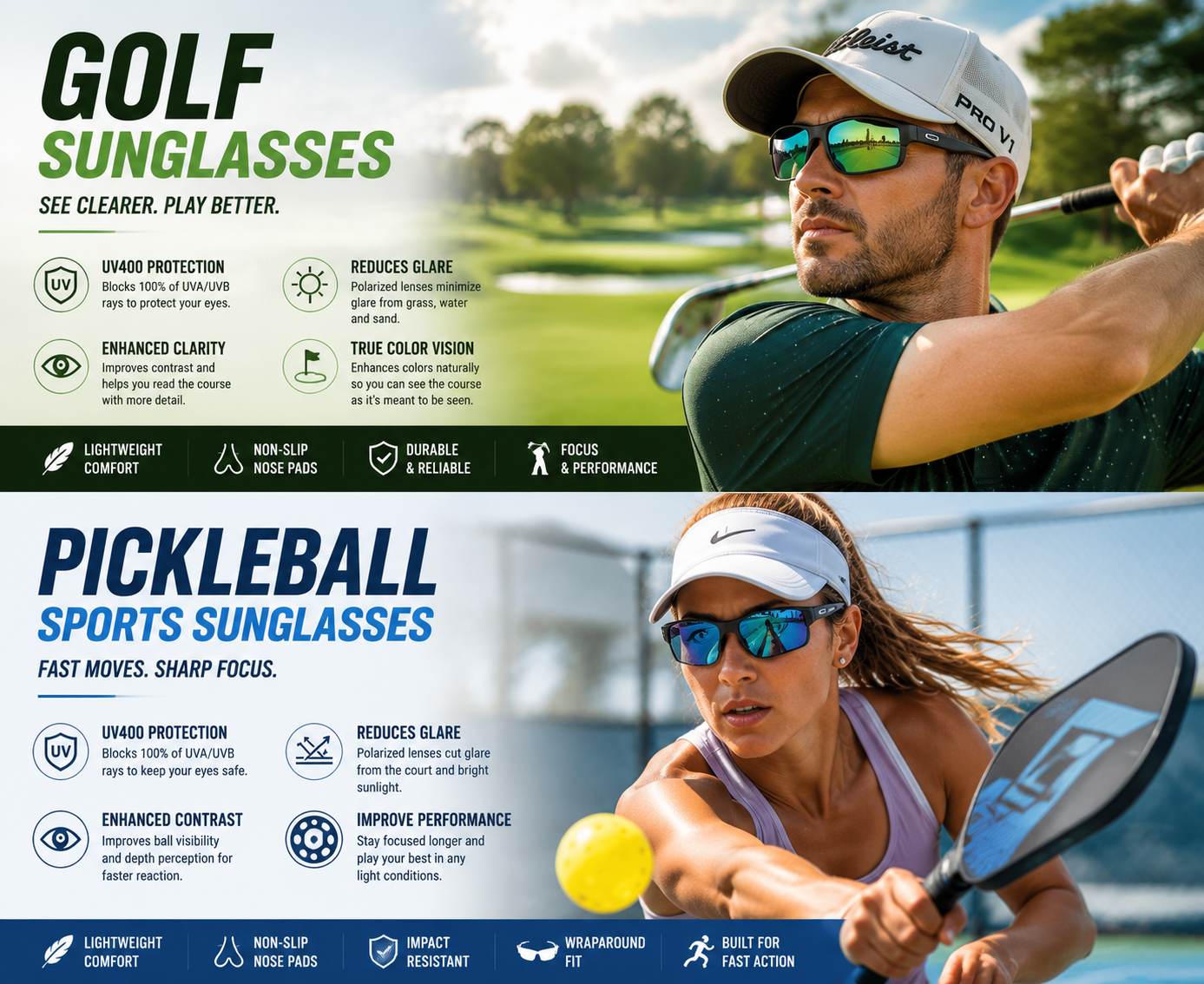
The market for pickleball eyewear is experiencing rapid growth, fueled by the global surge in pickleball participation—particularly across North America and Europe. As the fastest-growing racquet sport, pickleball has transitioned from a niche recreational activity into a mainstream competitive sport, giving rise to a specialized gear market.
1. Market Growth Drivers & Demographics
- Surging Eye Injury Awareness: Medical studies highlight a sharp rise in pickleball-related eye injuries (e.g., corneal abrasions, retinal detachment, and orbital trauma) caused by high-velocity plastic ball impacts at kitchen line range (10–14 feet).
- Aging Player Base vs. Youth Influx: Pickleball enjoys high popularity among adults aged 50+—a demographic highly concerned with eye protection and prescription integration—while simultaneously attracting younger, style-conscious players who demand high-performance aesthetic eyewear.
- Low Current Penetration (High Growth Potential): Industry studies indicate that fewer than 45% of amateur players and only 20% of professionals wear eye protection. Furthermore, a majority of players who wear eyewear rely on regular prescription glasses rather than dedicated, impact-rated sports eyewear, creating a massive market conversion opportunity for specialized brands.
2. Technical & Feature Requirements
| Key Feature Category | Technical Standard & Function |
| Impact Safety & Standards | Lenses must meet ASTM F3164 (Standard Specification for Eye Protectors of Racket Sports) or ANSI Z87.1+ high-velocity standards. Shatterproof polycarbonate or Trivex lenses are essential. |
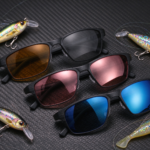
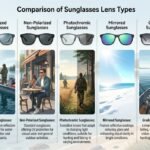
| Lens Tints & Versatility | Clear/Low-Light Tints: For indoor courts and night play. Amber/Yellow/HD Rose: For contrast enhancement against court surfaces and yellow/green balls under overcast conditions. Category 2/3 Tints: For bright outdoor sun protection without losing ball visibility. |
| Anti-Fog Performance | High-exertion play close to the net creates rapid humidity buildup. Permanent hydrophilic anti-fog coatings and rimless/vented frame channels are critical buying factors. |
| Frameless / Panoramic Vision | Semi-rimless or full shield designs prevent top- and bottom-frame rim obstruction during quick kitchen dinks and overhead smashes. |
| Fit & Ergonomics | Ultra-lightweight TR90 frames (~20–28g) with adjustable non-slip rubber nose pads and flexible temple arms that fit comfortably under hats and visors. |
3. Key Market Challenges
- Perception & Comfort Barriers: The primary reasons players cite for avoiding protective eyewear are fogging, sweat accumulation, glare alteration, and heavy frames.
- Polarization Confusion: While polarized lenses reduce outdoor glare, some pickleball players find intense polarization alters depth perception or makes the ball appear slightly blurred during rapid motion. Brands often offer non-polarized contrast-enhancing lenses specifically tuned for ball-tracking.
4. Strategic Opportunities for Brands & Manufacturers
- Rx/Prescription Integration: Offering inner prescription clip-ins (OTG/Rx adapters) or direct-injected prescription polycarbonate lenses addresses a massive segment of older players who require corrective vision.
- Bundle Sets with Interchangeable Lenses: Packaging 2–3 interchangeable lenses (e.g., Clear + Amber + Dark Smoke) within a single protective case caters to players transitioning between indoor air-conditioned courts and bright outdoor facilities.
- D2C Marketing & Education: Educating players on the danger of wearing non-impact rated casual fashion glasses—which can shatter upon ball impact—serves as an effective marketing angle to drive adoption of certified protective gear.
stacy@willchics.com |www.willchics.com